The Gap Nobody Prepares Parents For
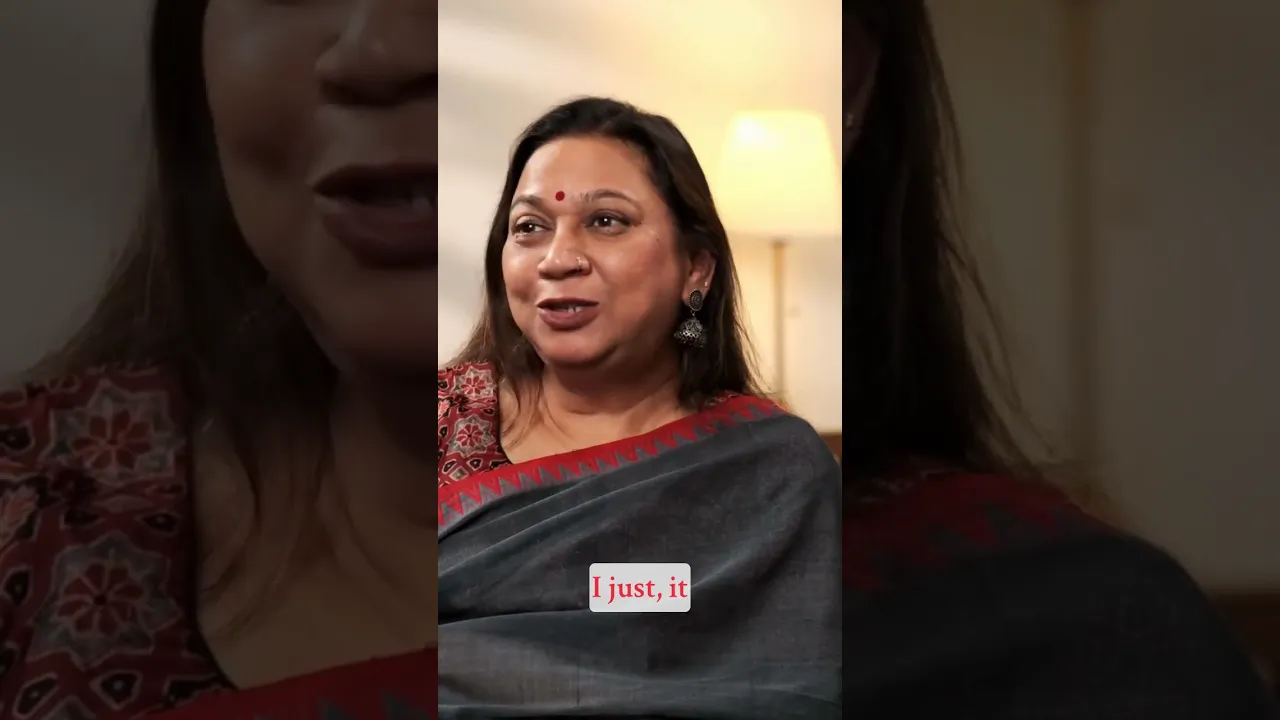
Before we recorded, I asked Shaheen Shafi what she does. She said, "I dream. I dream of spaces." Thirty years in education, a farm classroom with no textbooks, a thousand government classrooms retrained, and one honest admission about the gap parents don't expect. This is what stayed with me.
4 min read

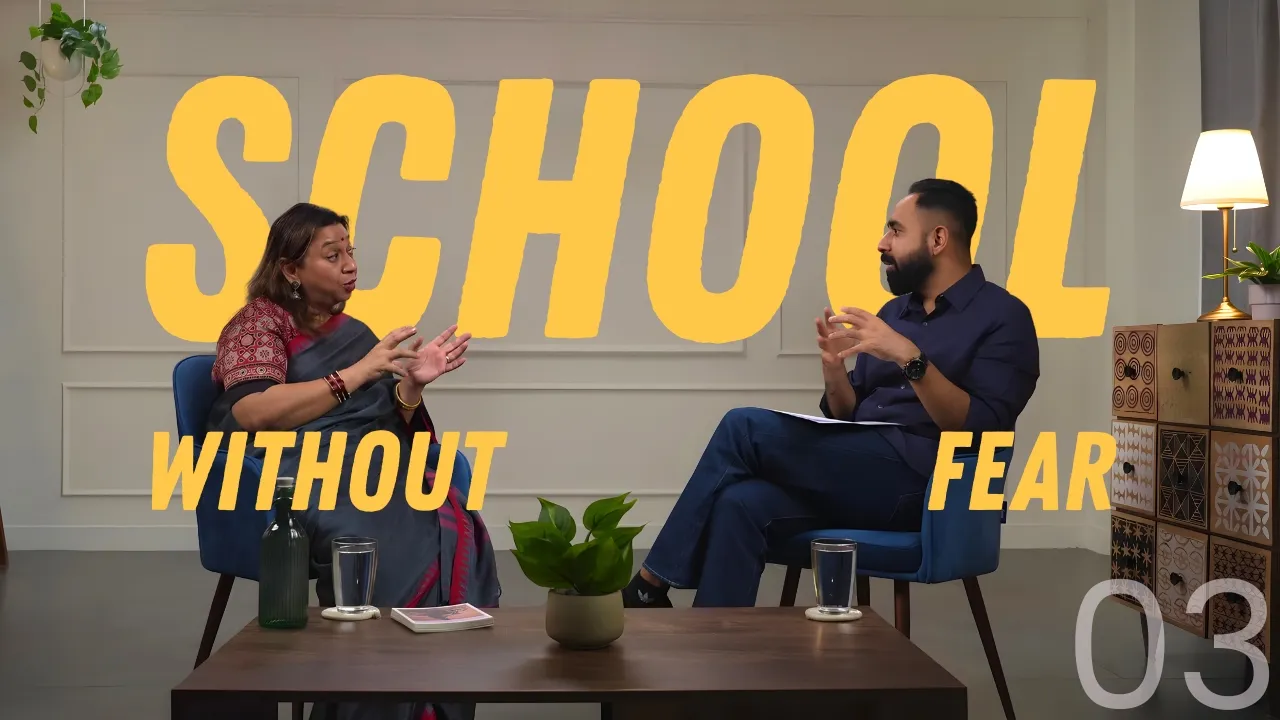
Before we started recording, I asked Shaheen Shafi a simple question. What do you say when people ask about your role?
She said, “I dream. And I dream of spaces.”
Thirty years in education. A founding member of what is now one of India’s top international schools. She has retrained teachers across a thousand government classrooms in five states, and today she leads Heritage Xperiential Learning School in Noida, one of the most progressive institutions in the NCR. And when I asked her to describe her work, she reached for the word dream.
That stayed with me. So when we sat down the next evening, I opened right there. What is that dream?
Her answer went back to her own school days. She loved poetry, theatre, and dance. She struggled with maths and science, not because she couldn’t do them, but because they were never taught in a way she could connect to. She knew, even then, that she would have enjoyed them if someone had opened them up differently. That feeling became her whole career. Not to teach children in a single fixed way, but to create spaces where they can explore learning in the way they learn best.
Years later, a maths expert told her something that changed how she saw everything. Maths is a language. Numbers speak. If you can hear what they say, it turns into a game. You can feel her carry that idea into every room she walks into now.
A farm, twenty-seven children, and no textbooks
The story I keep retelling from our conversation is about a borrowed farm.
Early in her journey, Shaheen walked into a school that was just getting started and left her resume at the reception desk. The director said he had two minutes. They spoke for an hour. She walked out with a job on the founding team.
Some time later, one of those founders called her with a problem. She had twenty-seven children enrolled and a building that was not ready. Could Shaheen keep them engaged for a month? A colleague offered his farm in Bangalore. So that is where they went.
The first day, the children were lost. Where are the books, they asked. Where are the blackboards? They were told to sit on the ground and worried their clothes would get dirty. In Shaheen’s words, they were flabbergasted.
By day two, they were exploring the farm. By the end of the month, they had learned more than a few textbook chapters could have taught. Nature. Problem solving. Working together. Making decisions and living with them. That improvised month on a farm is now, more than twenty years later, how that school begins its academic year, every single year.
She was clear about why it works. Give children the agency to learn, let them come together at the end of the day, and something opens up that a single book cannot. That belief is the thread through everything she has built since.
The gap nobody prepares parents for
Here is the part that surprised me, because most educators would smooth it over. I did not expect this level of honesty.
Parents choose Heritage full of hope. They want a different kind of learning for their child. And then, a few months in, some of them panic. There is no report card. No familiar way to measure. How do I know my child is progressing?
Shaheen does not pretend the worry is silly. She named it plainly. There is a gap between choosing a new way of learning and actually being ready for what it means. “There is a gap,” she said. “And there will be.” She went further. It would be foolish, her words, to pretend otherwise. So the school is now inviting parents to sit in on a lesson themselves, to experience a session the way their child does, rather than hear about it.
I felt that one personally. I do not have kids yet, but our Young Indians circle is full of parents, and my wife and I listen to them. And I catch myself in the same thought so many of them have. We came through traditional schooling, and we turned out fine, so why not the same for our children?
Shaheen’s reframe was quiet and hard to argue with. The times have changed. She told a room of children that their grandparents had maybe ten career choices, their parents perhaps a hundred, and they would have more than anyone can count. You cannot prepare a child for a future none of us can even picture using only one way of teaching. The content keeps changing. What lasts is the skill to keep learning.
Belief comes before resources.
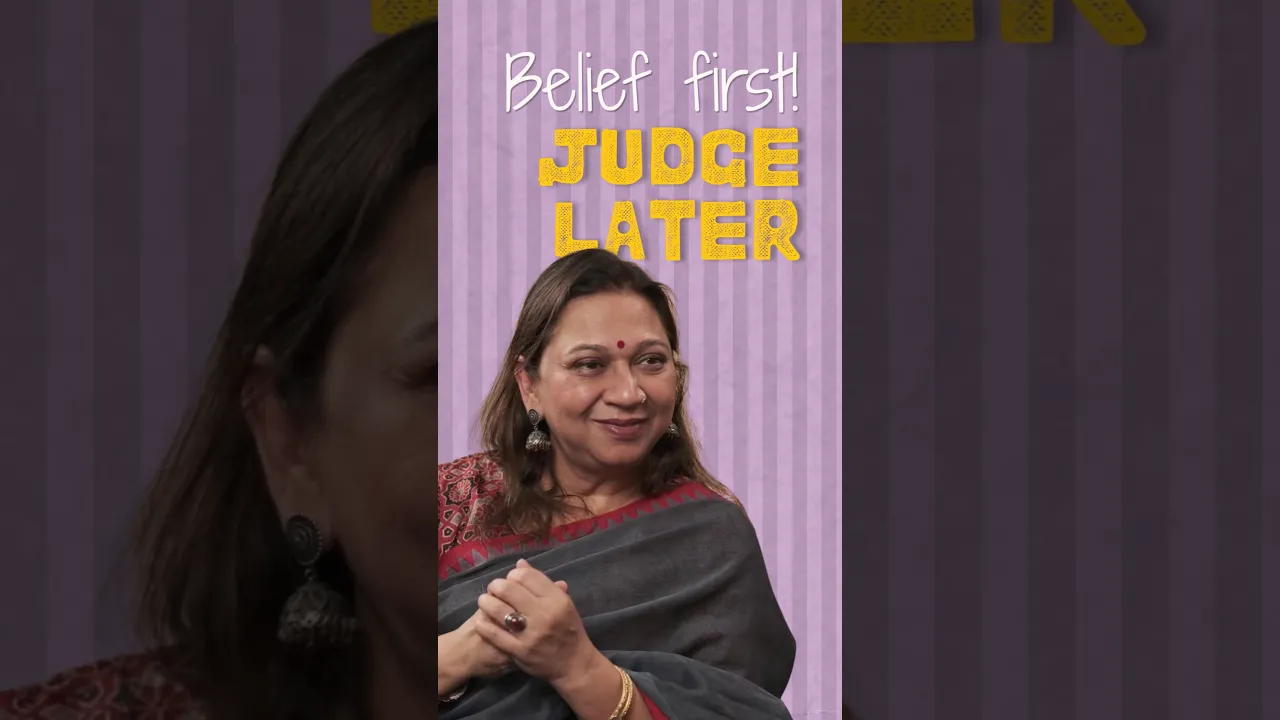
The line I have not been able to put down came from a session she ran at IIM Indore, in front of sixty government school principals.
Their challenge to her was fair. You come from a privileged school, so of course you can talk about experiential learning. What about us? We do not have the resources.
Her answer was this. The beauty lies in your belief that it is possible. She has worked in government classrooms. She knows you do not need fancy material to teach a child maths through real experience. Seeds, straws, sticks, whatever is lying around. Then she said something she half-joked her management should not hear. If you asked her to run a school with no resources at all, she believes she could because she knows it is possible. All she would do is look around and ask what she could use.
That is the whole episode in one sentence. Not a method. A belief that comes before the method.
What I keep thinking about
Shaheen has spent thirty years proving something that sounds simple and is incredibly hard to live by. That children will figure it out if you give them the space to try.
She proved it on a borrowed farm with twenty-seven kids and no textbooks. She proved it in government classrooms where teachers had never been shown how to use the books they were handed. And she is proving it right now at Heritage.
The real story here is not about experiential learning or education policy. It is about belief. Holding on to a way of doing things when the world around you keeps asking for proof before it will trust the process.
If this made you rethink what good education actually looks like, watch the full conversation below. And send it to someone who is making that decision right now.
I'm Ravneet Oberoi. This is The Story Behind.
Join the newsletter
Be the first to read our articles.