What a two rupee screw taught me about Indian design
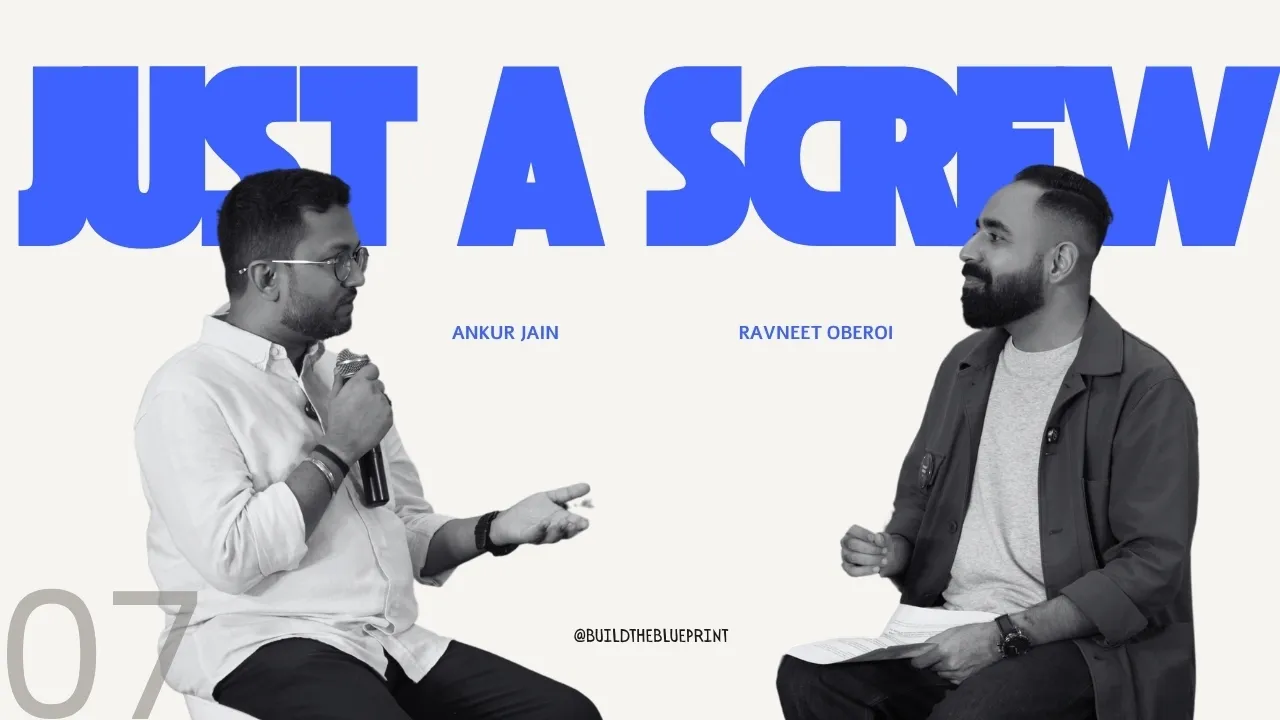
My journal on a live conversation with Ankur Jain of Knowledge Center at Build the Blueprint, on materials, Indian design, and the human story hiding inside a two rupee screw.
4 min

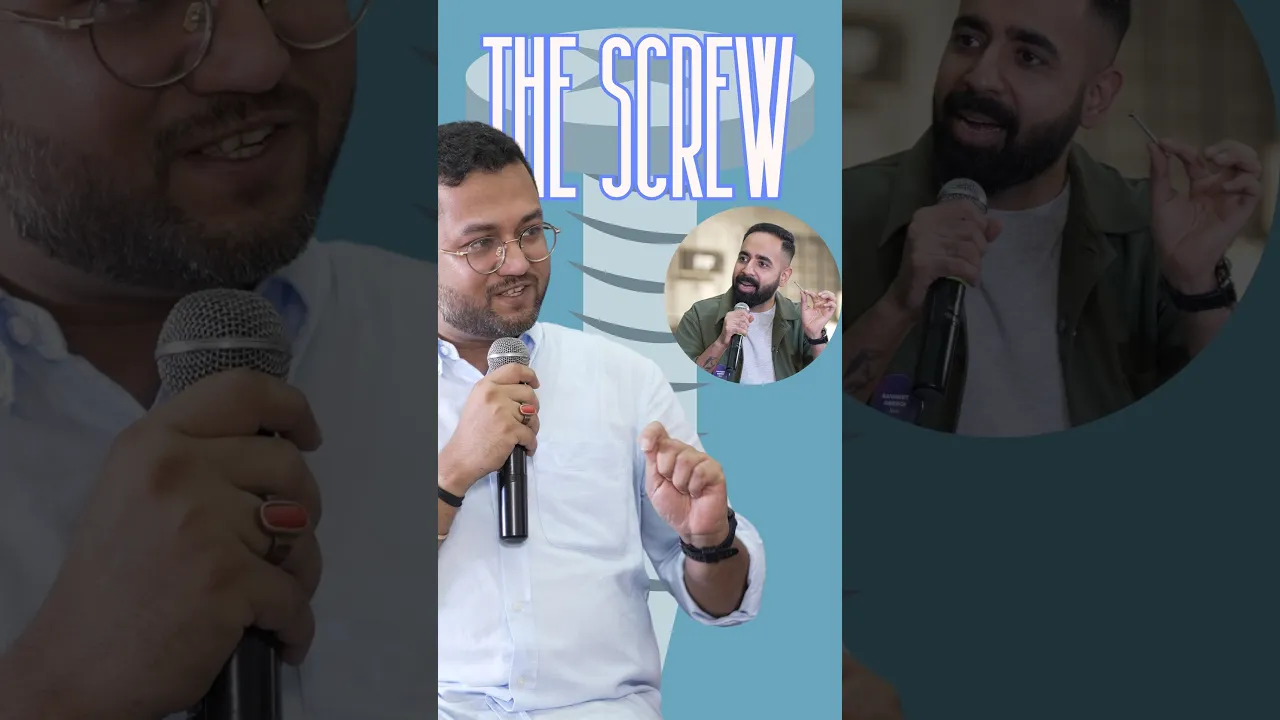
I held up a single screw on stage and asked the room what they saw. A commodity. A two-rupee part. Then Ankur Jain, founder of Knowledge Center, told me that behind that screw is a person who spent forty years perfecting the thread. Forty years of a life, reduced to a thing we ask someone to hand us without a second thought.
That was the moment the whole conversation opened up. We were recording a live episode of The Story Behind at the Build the Blueprint festival, in front of a room of designers, architects and students. This is my journal on what stayed with me, and where you can watch the full conversation and the clips.
A screw is never just a screw
I have spent my working life looking for the story inside things that look ordinary. So when Ankur said we have forgotten the human behind our materials, it landed hard. We do it constantly. We flatten a person's decades of work into a price and a category. A screw. A tile. A sheet of laminate.
The reframe he offered is simple and it changes everything. Every material in a building is a human decision someone gave their life to. Once you see that, you cannot unsee it, and you start telling the story differently.
Eighteen years, and still learning
The line I keep returning to was an admission. Ankur practiced architecture for eighteen years, and he said that at the end of it he realised how little he actually knew about his own industry. Not the design of it. The material, the execution, the thousands of categories no college puts in front of you.
Most people would bury a confession like that. He built a company out of it. There is a lesson in that for anyone who feels behind. The gap you are embarrassed about is often the exact thing worth building around.

Forty-eight hours for one tile
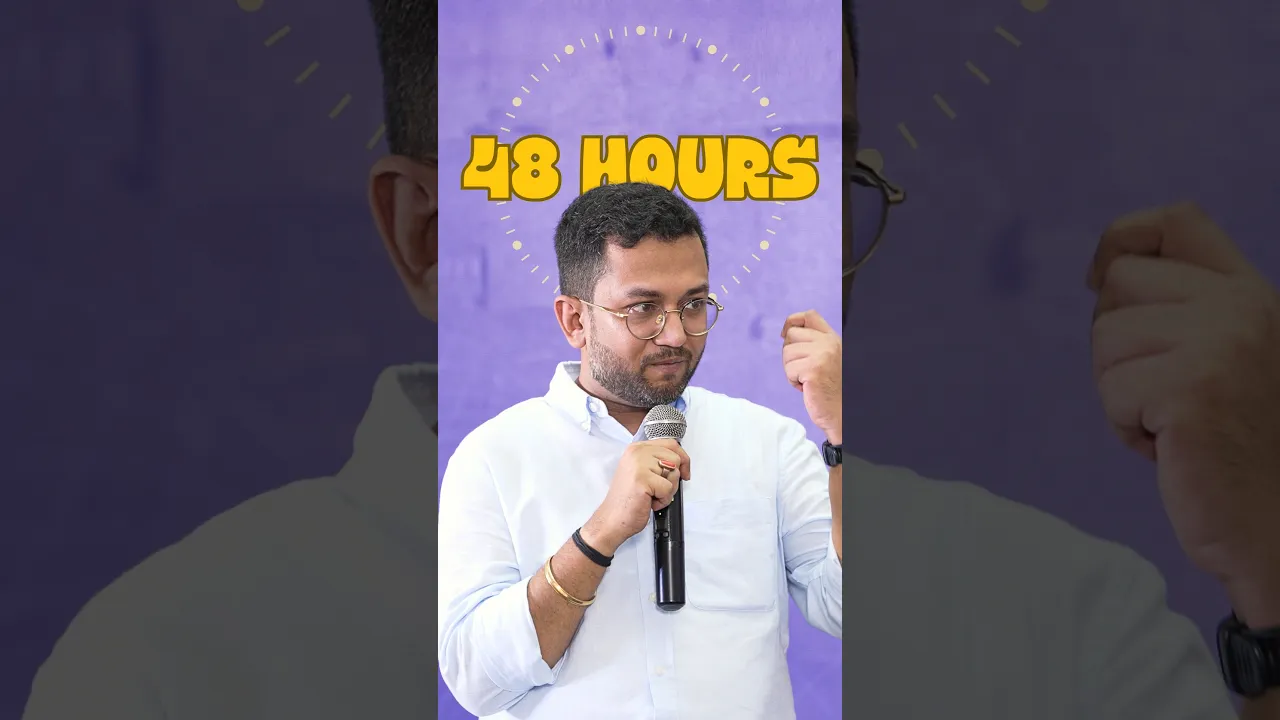
He told a story every architect in the room recognised. Once, early on, he lost forty-eight hours to choosing a single tile. Travel, a hotel, a full day gone, for a product that was available close by all along.
That is not a story about a tile. It is a story about how much creative time an entire industry loses to the simple problem of finding the right material. Ankur turned that frustration into Knowledge Center, a material library where a designer can touch and compare in one room instead of driving across a city.
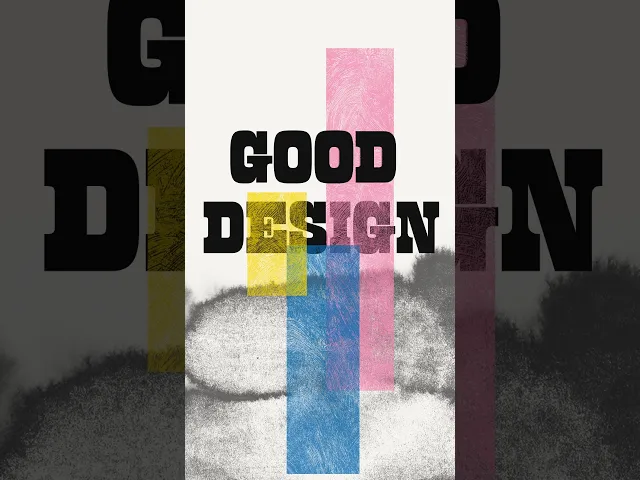
Good design requires good material
The sentence the whole conversation earns is this one. Ankur said, plainly, that good design requires good material. We treat design and material as two separate skills, taught by different people, owned by different parts of the process. He learned, over years, that they are the same conversation.
For someone who tells stories for a living, that rings true beyond design. The idea and the material you make it from cannot be pulled apart. A story is only as good as the truth underneath it.
Recognition, not cost
Here is my real takeaway, the one that has nothing to do with tiles and everything to do with people.
What Ankur is really offering the brands he works with is not a shelf in a library. It is recognition. The chance for a maker who gave forty years to a product to finally be seen as more than a supplier. That is the thing almost nobody can buy, and the thing almost everybody wants.
I think that is true of every brand, every founder, every person who has quietly built something for a long time. We do not want to be a line item. We want someone to notice the years. The whole reason I make this show is to do exactly that, to find the human behind the decision and give it back to them, out loud.
The room, and why it mattered
Navya Sheoran, who founded Build the Blueprint, joined us at the end. She made a point I have not stopped thinking about. What students are taught has barely changed in years, while the work has changed completely. We have lost the third spaces where the industry used to meet and collaborate, and we are all a little tired of doing everything through a screen.
Ankur is building the infrastructure. Navya is rebuilding the room. Same gap, closed from two ends. Sitting between them, I felt like I was watching a quiet correction to something the industry let slip.
___________
If you are carrying a story worth telling, you can apply to be on the show at ravneetoberoi.com. If this one stayed with you, the full conversation is above, and subscribing helps it reach more people who build.
Frequently asked questions
Who is Ankur Jain? Ankur Jain is the founder of Knowledge Center and an architect who practiced for eighteen years before building a physical and digital material library for the design industry.
What is Knowledge Center? Knowledge Center is an Indian material library and design hub where architects and designers can discover, touch and compare building materials in one place, instead of travelling across a city to source them.
What was this episode about? It was a live conversation about the human story behind building materials, the knowledge gap in Indian architecture education, and why organising the material industry gives designers back their time to design.
Where was it recorded? It was recorded live at the Build the Blueprint festival at Airia Mall on the eighth of August, in front of an audience of designers, architects and students.
Who is the host? Ravneet Oberoi, host of The Story Behind, a long-form interview show about the human, strategic and emotional forces behind bold decisions.
Join the newsletter
Be the first to read our articles.